Food & Beverage Trends 2026: How India Is Eating and Drinking
Jan 2026
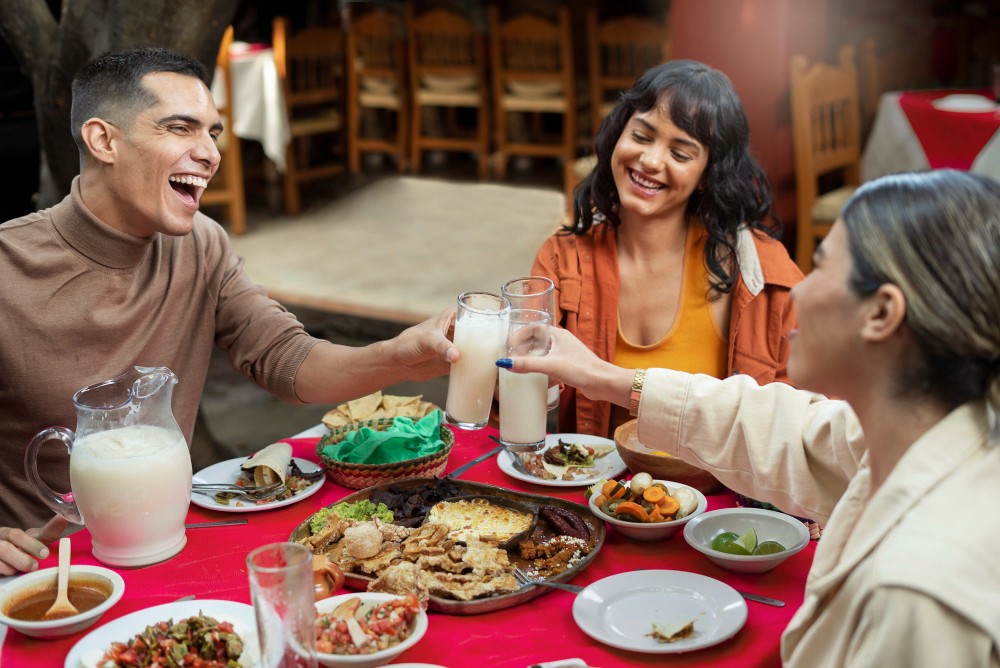
India’s Food & Beverage Trends in 2026 are shaped by intention. Consumers are not just eating to fill up or drinking to refresh; they are making decisions that reflect health awareness, cultural pride, emotional needs, and value consciousness. The result is a market where function, familiarity, and feeling matter as much as flavour, clearly signalling how future eating and drinking habits in India are evolving.
From what sits on retail shelves to how brands communicate, expectations are sharper and tolerance for generic offerings is lower. Below are 10 defining Food & Beverage Trends shaping India in 2026, grounded in real Indian consumer food behavior and visible market shifts.
1) Functional & Purpose-Driven Beverages Become the New Expectation
By 2026, functional beverages in India will no longer be positioned as niche wellness products. They have become a baseline expectation, especially among urban and semi-urban consumers, reinforcing broader beverage trends in India within the overall food & beverage space. Shoppers increasingly want beverages to offer tangible benefits such as better hydration, digestive comfort, immunity support, or sustained energy, not just sweetness or refreshment.
This shift is driven by lifestyle stress, post-pandemic health awareness, and rising label literacy. Sugar-heavy carbonated drinks are losing habitual relevance, while beverages positioned as “lighter”, “natural”, or “good for the body” are gaining ground. Importantly, this behaviour is spreading beyond metros into Tier-2 cities, shaping urban food behavior and tier 2 consumption shift as professionals and young families reassess daily intake.
Indian brands are already reflecting this change. Paper Boat has reframed traditional drinks like Neer Sharbat as functional hydration rooted in nostalgia, while Raw Pressery continues to emphasise freshness, minimal processing, and ingredient integrity. Newer formats such as probiotic shots, adaptogenic lemonades, functional coffee blends, and ragi- or barley-based tonics highlight rising functional beverage demand in India.
However, functionality alone does not guarantee scale. Success depends heavily on availability, pack size, pricing, and shelf placement. This is where retail audits and distribution intelligence become critical, helping brands convert health intent into repeat purchases, an insight central to India FMCG trend insights 2026.
2) “Clean, Transparent, and Local” Beats Ultra-Processed
The shift toward clean and transparent food in India is unmistakable in 2026 and remains one of the most discussed food & beverage trends, but it is not a mass-market movement yet. Adoption is currently concentrated among urban, upper-middle-income consumers, primarily in metros and larger Tier-1 cities, where spending power allows experimentation with premium-priced products.
Brands leading this space, such as 24 Mantra Organic, True Elements, and The Butternut Co., offer strong clean-label credentials, but at price points that remain out of reach for everyday consumption in most Tier-2 and Tier-3 markets. Cold-pressed oils, organic staples, and additive-free snacks are often purchased occasionally, rather than habitually, outside of metro India.
In smaller cities, what travels faster than premium products is the idea of clean eating, not the products themselves. Consumers may still buy mass brands like Aashirvaad, Fortune, or Tata Sampann, but they increasingly respond to cues such as simpler ingredient communication, “no added” claims, and sourcing transparency, signalling gradual clean label food adoption in India.
Rather than following complex nutrition science, many shoppers apply instinctive filters: Does this feel familiar? Does it sound overly processed? In 2026, the real opportunity for scale lies in bringing clean-label principles into affordable formats, smaller packs, hybrid ingredient lists, and semi-processed foods that balance trust with price sensitivity, an important direction within food trends in India.
3) Regional Reinvention: India’s Flavours Go Global (and Back)
India’s flavour story in 2026 will move beyond generic “Indian-inspired” cues toward deep regional specificity, emerging as a powerful pillar within food & beverage trends. Consumers are increasingly drawn to products that spotlight origin and provenance; kokum from the Konkan coast, jamun from central India, lychee from the east, Kashmiri chilli, and Coorg pepper, reflecting strong regional flavor trends in India.
This regional focus is becoming visible across beverages, packaged foods, and alcohol brands. Sula Vineyards has expanded into spritzers and canned cocktails using Indian fruits, blending regional authenticity with export-ready formats. Paper Boat continues to build its portfolio around traditional regional drinks, translating nostalgia into contemporary packaged formats. Similarly, Svami Drinks leverages Indian botanicals and spices to create premium mixers positioned for both domestic and global consumers.
What has evolved is storytelling sophistication. Brands are investing in origin-led packaging, traceable sourcing, region-specific naming, and ingredient narratives that elevate everyday consumption into a cultural experience. These cues resonate strongly with evolving Indian taste preferences.
In 2026, regional flavours will no longer be nostalgic throwbacks but strategic brand assets, enabling differentiation both locally and globally.
4) Sensory & Multi-Layered Experiences Redefine Indulgence
Indulgence in 2026 will be defined less by excess and more by sensory experience, a shift that is becoming increasingly prominent across food & beverage trends in India. Consumers are seeking products that deliver layered textures, evolving flavour journeys, and contrast, turning everyday consumption into something memorable rather than mindless.
This shift is already visible in how Indian food brands are designing products. ITC Foods has built strong momentum with Sunfeast Dark Fantasy Choco Fills, where a crisp baked shell gives way to a molten chocolate centre, combining crunch, warmth, and creaminess in a single bite. In the premium space, Fabelle Chocolates (also from ITC) uses multi-origin cocoa, spice inclusions, and layered textures in ranges like Fabelle Elements, positioning indulgence as slow, sensory-led consumption rather than impulse snacking.
Similarly, Hershey India has leaned into textural play through formats such as Hershey’s Chocolate Spreads with Crunchy Almond Bits, blending smoothness with bite. Even familiar chocolate formats are being re-engineered to offer contrast, soft-melt chocolate paired with inclusions that add crunch or chew, enhancing mouthfeel and recall within evolving consumer eating habits.
Texture has emerged as a powerful differentiator because it creates emotional memory. Crunch, gooey centres, creaminess, and melt-in-the-mouth sensations elevate familiar flavours into experiential indulgence. In crowded retail environments, this sensory recall often drives repeat purchase more effectively than flavour claims alone, reinforcing indulgence-led food trends in India.
In 2026, indulgence will be about slowing down, savouring, and engaging multiple senses, a clear shift from mindless consumption to intentional, experience-led enjoyment that defines premium indulgence within the F&B domain.
5) Micro-Portions & “Just-Right” Format Innovation
Portion control in India is no longer framed as a sacrifice, and this evolution is becoming a notable direction within food & beverage trends. Smaller formats are increasingly perceived as empowering, allowing consumers to manage intake, reduce waste, and still enjoy indulgent products without guilt. This shift is shaped as much by psychology as by health, especially in urban India, where snacking occasions are frequent but intentional.
A strong example is Epigamia. Its single-serve yoghurt cups and drinkable formats are designed for precise consumption moments, mid-day hunger, post-meal digestion, or on-the-go snacking. Rather than pushing “less food”, the brand sells just enough, which makes repeat purchase easier and trial less risky. Consumers feel in control of quantity and spend, which strengthens habitual usage and reflects broader portion size innovation in F&B industry.
Similarly, mini packs of premium nuts and snacks have grown because they remove the friction of overconsumption while still signalling quality. In a price-sensitive but aspirational market, this balance matters. Paying per bite or sip creates a perception of value, especially during economic uncertainty and value-driven consumption cycles.
We can expect more resealable packs, split-serve formats, and tiered portion options across categories, from snacks and desserts to beverages and dairy. Size will no longer be about “less”; it will be about right-sized for real life.
6) Protein Gets Cultural, Not Clinical
Protein in India has finally moved beyond the “gym supplement” stereotype. In 2026, it will be quietly integrated into everyday foods, rather than aggressively marketed as a performance enhancer, marking a clear shift.
The shift reflects a deeper understanding of Indian consumers: protein works best when it feels familiar, tastes good, and fits naturally into daily routines. A strong example of this evolution is The Whole Truth.
The brand’s core strength lies in transparency, clearly listing ingredients, avoiding artificial sweeteners, and demystifying protein content without exaggeration. Rather than pushing protein as a “must-have” for extreme fitness, The Whole Truth positions it as a sensible addition to regular diets through bars, spreads, and snacks that resemble everyday food rather than supplements.
What makes this approach effective is cultural alignment. Indian consumers, especially families and women, are more receptive to protein when it comes in familiar forms and tastes good. Digestibility and mouthfeel matter just as much as nutrition numbers, and even slight compromises on taste can lead to rejection. These insights reflect broader protein consumption patterns in India.
In this context, structured product testing becomes essential. Understanding flavour acceptance, texture tolerance, and consumption occasions helps brands avoid alienating consumers while innovating responsibly.
In 2026, protein will succeed in India not by being louder, but by being honest, familiar, and quietly effective within evolving Food & Beverage Trends.
7) Premiumisation Without Luxury Pricing
India’s 2026 consumer is aspirational but highly value-conscious. Premiumisation will happening, but selectively, making it one of the more nuanced food & beverage trends shaping consumption.
In general, consumers are willing to trade up for better ingredients, thoughtful design, and credible stories if pricing remains within reach. Furthermore, luxury for luxury’s sake has limited appeal.
A standout example is Blue Tokai. The brand has made specialty coffee feel elevated yet approachable by offering multiple entry points, cafés, sachets, and ready-to-drink formats. The experience feels premium, but not exclusionary. This balance has allowed Blue Tokai to scale without losing its core identity.
Across categories, premium cues are becoming more subtle: glass packaging, earthy colour palettes, origin-led storytelling, and limited regional variants. These signals communicate care and quality without dramatic price jumps. Importantly, premiumisation is no longer confined to indulgence categories; it is expanding into sauces, condiments, frozen foods, and beverages, reshaping premium food positioning in India.
Premium will not mean expensive in 2026; it will mean considered. Brands that understand this distinction will improve margins while still appealing to a broad consumer base. Premium now signals intention and trust, not exclusivity.
8) Sustainability Gets Practical, Not Performative
In 2026, sustainability in India will no longer be about lofty promises or generic “eco-friendly” claims, a reality increasingly reflected in food & beverage Trends. Consumers do care about environmental impact, but their patience for vague greenwashing is thin. What actually resonates are visible, practical actions that either improve everyday convenience or make economic sense.
A strong example of this shift is Tata Sampann. Rather than positioning sustainability as a premium differentiator, Tata Sampann integrates it quietly into sourcing and supply chains. The brand emphasises traceability, responsible sourcing of pulses and grains, and reduced handling, improvements that enhance product quality and consistency while also supporting sustainability goals. Importantly, these efforts do not dramatically inflate prices, which keeps the brand accessible to a wide consumer base.
This approach reflects a broader truth about the Indian market: sustainability must either reduce friction, reduce cost, or improve trust. Refill packs, lighter packaging, and local sourcing matter more than abstract claims about carbon neutrality. Consumers may not articulate sustainability in technical terms, but they recognise when a brand is being sensible rather than performative, shaping sustainable food choices in Indian consumers.
The most effective sustainability strategies in 2026 will be largely invisible, embedded into operations, packaging, and sourcing decisions. Brands that treat sustainability as a functional improvement rather than a marketing headline are the ones building long-term credibility within food & beverage trends.
9) Food as Mood Regulation: Calm, Focus, and Comfort Take Centre Stage
In 2026, food and beverages in India will be increasingly consumed for nutrition and emotional regulation, reinforcing mood-based food consumption in India as a defining food & beverage Trend.
Stressful work routines, digital fatigue, and post-pandemic lifestyle shifts have created demand for products that help consumers feel calmer, more balanced, and mentally settled. This marks a clear shift away from high-stimulation products toward gentler, restorative offerings.
One brand that exemplifies this movement is Organic India. Unlike energy-focused wellness brands, Organic India leans heavily into calm, sleep, digestion, and immunity, benefits rooted in Ayurvedic familiarity. Its teas and supplements use ingredients like tulsi, ashwagandha, and turmeric, but are packaged and communicated in a way that feels modern and accessible rather than medicinal.
What makes this positioning powerful is credibility. These ingredients are not new to Indian households; what’s new is the framing of food and drink as emotional support, not just physical nourishment. Consumers are not looking for instant fixes or exaggerated claims; they are seeking balance, routine, and reassurance, reflecting wellness-driven food decisions in India.
In contrast to energy drinks or high-caffeine beverages, mood-supporting products promise subtlety. They fit naturally into daily rituals such as evening teas or bedtime drinks. In 2026, brands that help consumers feel better emotionally, without overstimulation, will occupy a uniquely trusted space in India’s wellness ecosystem.
10) Brands Act as Culture Platforms, Not Just Product Makers
One of the most decisive shifts in India’s food and beverage domain in 2026 will be behavioural rather than functional, and it is central to emerging food & beverage trends. Brands are no longer judged only on taste, quality, or price; they are evaluated on cultural relevance, values, and voice.
This shift means brands are expected to actively participate in culture, not simply advertise within it. They respond to social moods, internet conversations, regional pride, creator ecosystems, and identity cues. Products remain essential, but how a brand shows up outside the moment of purchase now plays a critical role in building affinity.
A legacy example is Amul, whose topical hoardings have long positioned it as a cultural commentator rather than just a butter brand. Amul consistently engages with sports, cinema, politics, and national moments, embedding itself into everyday Indian conversation.
Among newer food and beverage brands, Sweet Karam Coffee exemplifies this shift. The brand goes beyond selling South Indian snacks and filter coffee to champion regional pride, tradition, and everyday Tamil culture in a modern, internet-native way. Through warm storytelling, founder-led narratives, regional language use, and culturally rooted content, Sweet Karam Coffee has built a community that identifies with the brand, not just consumes it.
Similarly, Bira 91 operates as a youth-culture brand as much as a beverage company. Music festivals, pop culture collaborations, limited-edition drops, and digital-first humour allow Bira to function as part of urban identity rather than merely a beer choice.
What defines this trend is that content, community, collaborations, and cultural participation are now core brand capabilities, not marketing add-ons. Limited-edition packaging, creator partnerships, social commentary, founder visibility, and experiential storytelling often carry as much strategic weight as flavour innovation.
Conclusion
Differentiation in 2026 will come from what a brand stands for between purchases. Cultural branding earns attention, loyalty, and forgiveness in ways that purely product-led brands struggle to achieve. India is deciding and eating differently. Trust, relevance, and understanding the consumer context have become the real growth levers. Brands that combine cultural intelligence with consumer insight will lead the next phase of food and beverage evolution.
Understanding Food & Beverage Trends is only valuable if they’re translated into the right decisions.
If you’re planning launches, portfolio shifts, or innovation strategies for India in 2026, ground your moves in real consumer and retail intelligence.
Contact Market Xcel to decode what Indian consumers are actually choosing, why they’re choosing it, and how those choices will shape growth across food and beverage categories.