Beverage Consumer Trends: What People Really Want to Drink
Mar 2026
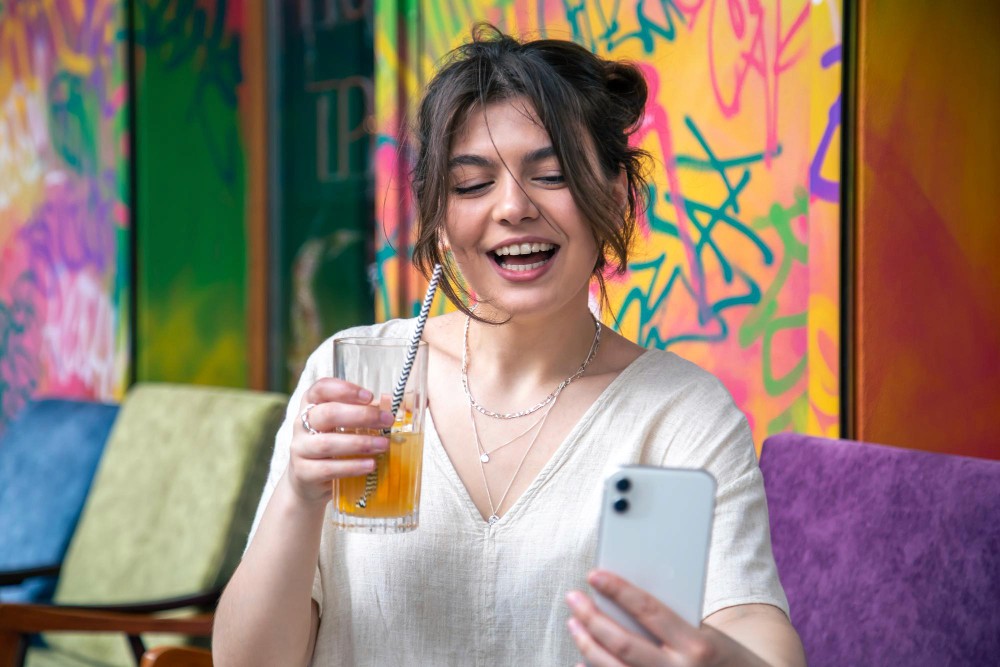
The beverage industry has entered one of its most transformative phases in decades, reflecting rapidly evolving Beverage Consumer Trends shaping the (now) healthy beverage market. A generation ago, the typical choice in India was straightforward: cola, fruit juice, tea, coffee, or perhaps a sports drink. Today, the category has exploded into dozens of sub-segments: kombucha, electrolyte hydration powders, plant-based protein drinks, botanical tonics, prebiotic sodas, ready-to-drink coffees, and low-alcohol or alcohol-free alternatives, signalling major beverage innovation and healthy beverage innovation trends across the market.
The scale of the opportunity is massive. India’s packaged beverage market reached about $57.4 billion in 2024 and is projected to grow to nearly $75 billion by 2033, driven by rising disposable incomes, urbanization, and demand for ready-to-drink options as part of ready to drink beverage market growth.
What changed was not simply product innovation. It was consumer behaviour and expectations shaped by evolving consumer expectations in beverage industry dynamics and emerging beverage consumer trends.
Drinks are no longer evaluated purely on taste or refreshment. Consumers increasingly approach beverages as functional products that can improve hydration, support digestion, deliver energy, or even replace meals in busy schedules. Across categories, one pattern becomes clear: modern consumers expect beverages to do more. Understanding what those expectations entail reveals the forces reshaping the industry and defining the next phase of beverage consumer trends.
Gut health has become a beverage category of its own
Perhaps the most visible change in beverage innovation is the rise of drinks positioned around digestive health and the growing popularity of functional beverages and gut health drinks.
Interest in the gut microbiome has moved from niche wellness circles into mainstream consumer consciousness, and beverages have become one of the most accessible formats for supporting gut health, particularly through probiotic drinks and gut health benefits that appeal to health-conscious consumers.
Fermented drinks like kombucha illustrate this shift. The beverage, made by fermenting tea with bacteria and yeast cultures, contains organic acids and probiotics associated with digestive wellness. The global kombucha market alone is expected to grow from about $119 million in 2025 to more than $462 million by 2034, reflecting strong growth, consumer interest, and rising demand for probiotic drinks.
India’s ecosystem is still emerging, but it is developing quickly. Brands such as Sbooch and Atmosphere Studio have built followings among urban consumers by positioning kombucha not only as a wellness drink but also as a flavour-forward alternative to soda. Blueberry lavender, Himalayan plum, hibiscus, and citrus blends demonstrate how fermented beverages can feel closer to craft drinks than traditional health tonics, reflecting ongoing flavor innovation in modern beverages.
The momentum is supported by broader consumer health trends and functional beverage trends in India. In a 2019 survey, most Indians consumed probiotic beverages several times a week, and 15% consumed them once daily. Probiotic beverages are projected to grow from $31.7 billion in 2025 to $75.8 billion by 2035, indicating that digestive wellness will likely remain one of the most influential forces shaping future trends in the functional drink market and consumer trends.
At the same time, global beverage giants have begun to pay attention. PepsiCo’s acquisition of the gut-health soda brand Poppi for billions of dollars underscores how seriously the industry is taking microbiome-focused drinks and emerging trends in healthy beverage innovation.
In other words, digestive health is no longer a niche wellness claim. It is becoming an entire beverage category driven by evolving beverage consumer trends.
Hydration is evolving beyond water
Another major consumer expectation brewing in the beverage industry is for more sophisticated hydration and the growing demand for electrolyte hydration drinks for an active lifestyle.
Traditional hydration relied on water or sugary sports drinks. But consumers today increasingly understand that hydration involves more than fluid intake. Electrolytes, minerals such as sodium, potassium, and magnesium, play a crucial role in regulating fluid balance and muscle function.
This awareness has fueled the rise of electrolyte hydration products and hydration drinks. Brands like Liquid I.V. popularized powdered hydration mixes designed to dissolve in water and replenish electrolytes more efficiently. Furthermore, Fast&Up Reload, originally developed for endurance athletes, has gained popularity among runners, cyclists, and gym-goers who want quick electrolyte replenishment during intense physical activity and an electrolyte hydration boost.
The broader context explains why hydration products are gaining momentum. India’s functional beverage sector reached roughly $6.9 billion in 2025 and is projected to grow to nearly $18.8 billion by 2034, driven by demand for drinks that combine health benefits with convenience and rising functional beverage trends in India.
Protein beverages are moving from supplements to everyday drinks
Indian consumers now prioritise their protein intake more than ever, with a strong focus on plant-based protein beverage demand and interest in these beverages.
According to the Ministry of Statistics and Programme Implementation of India, average daily per-capita protein intake rose from 60.7 g to 61.8 g in rural areas and 60.3 g to 63.4 g in urban areas between 2011–12 and 2023–24.
As awareness of fitness, metabolic health, and muscle recovery grows, protein consumption has become a major topic among younger consumers. Yet traditional sources of protein often require preparation or cooking. Ready-to-drink protein beverages offer a convenient alternative.
Several Indian brands are focusing on new product developments around this idea.
Cosmix produces plant-based protein blends using pea and rice proteins designed for smoothies and shakes, tapping into the rising interest in plant-based drinks. Ace Blend focuses on plant-powered nutrition drinks that combine protein with superfoods. The Whole Truth Foods, known for its clean-label philosophy, has introduced protein milkshakes made with simple ingredients and minimal additives. Meanwhile, the Func Lab experiments with hybrid formulations that combine protein with vitamins and adaptogenic ingredients.
Beyond emerging nutraceutical brands, India’s dairy powerhouse Amul has also moved aggressively into the protein beverage space, launching high-protein milkshakes, lassi and whey drinks. The expansion signals how protein has shifted from a niche fitness supplement to a mainstream daily nutrition trend within the broader healthy beverage market.
These products appeal to consumers who want beverages that function almost like portable meals, a quick way to consume nutrients between work, workouts, or travel.
In practical terms, protein beverages are no longer seen as supplements reserved for athletes. They are increasingly becoming everyday nutrition products aligned with evolving beverage consumer trends.
Consumers are rejecting sugar-heavy drinks
While functionality drives experimentation, another powerful force influencing beverage consumption is ingredient scrutiny and consumer preferences for low-sugar drinks.
Demand for zero- and low-sugar drinks reached a five-year peak in 2025, signalling that what was once seen as an urban fad has become a significant market segment. At Coca-Cola, zero-sugar beverages now account for 30% of total volume, with Diet Coke sales doubling compared to the previous year.
Consumers today read labels more carefully than ever before. Artificial additives, excessive sugar, and unfamiliar chemical ingredients are increasingly viewed with skepticism. This has led to a growing demand for beverages that emphasise transparency and simplicity, and to stronger demand for clean-label beverage ingredients.
The trend is visible across demographics, but particularly strong among younger consumers and emerging Gen Z beverage consumption trends.
Brands responding to this shift often highlight natural ingredients and minimal processing. Dead Honest, for instance, positions itself around ingredient transparency, promoting beverages made with recognizable components rather than complex additive lists and supporting the shift toward clean-label beverages.
Large multinational companies are adapting as well. Reformulations that reduce sugar content or introduce zero-sugar variants are becoming increasingly common across major beverage portfolios.
The underlying shift is psychological as much as nutritional. Consumers primarily view beverages as part of their broader health routine, meaning they expect drinks to meet the same nutritional standards they apply to food.
Ready-to-drink formats are thriving because life is faster
Convenience remains one of the most consistent drivers of beverage consumption, as the rise of ready-to-drink beverages continues.
Urban lifestyles are becoming increasingly time-compressed, with long commutes, hybrid work schedules, and busy routines shaping how people eat and drink. Ready-to-drink products, bottled coffees, protein shakes, functional teas, and hydration beverages fit naturally into these lifestyles and reflect growing demand for urban lifestyle ready-to-drink beverages.
The growth of the ready-to-drink (RTD) category reflects this reality. Globally, the RTD beverage market was valued at about $239.8 billion in 2024 and is expected to reach nearly $419.5 billion by 2033, reflecting strong market growth and demand for convenient, on-the-go drink formats.
Urbanization and rising incomes are also accelerating demand for portable beverage formats in India. The success of RTD beverages shows that functionality alone is not enough. Consumers want drinks that are not only healthy but also easy to incorporate into daily routines.
Younger consumers are redefining what people drink
Generational change is one of the most important shifts in the beverage industry, shaping Gen Z drink trends.
Gen Z consumers approach beverages differently from previous generations. They are more experimental, more influenced by social media, and more interested in products that align with wellness or lifestyle values.
This shift is also visible in the kinds of drinks gaining popularity among younger consumers. Beverages like boba tea, matcha and hojicha have become cultural symbols for Gen Z, blending wellness, aesthetics and personal identity. What someone drinks increasingly signals lifestyle choices, whether that means choosing antioxidant-rich matcha, Instagram-friendly bubble tea or functional beverages that promise focus and energy.
In India, 54% of Gen Z consumers have consumed four or more types of non-alcoholic beverages in the past six months, significantly higher than the 45% average across all age groups, highlighting their willingness to experiment with different drink formats.
At the same time, younger drinkers are reconsidering alcohol consumption. Surveys show that about 21.5% of Gen Z consumers do not drink alcohol at all, while many others drink only occasionally.
According to reports and market analyses emerging in early 2026, the global alcohol industry has reportedly suffered a staggering loss of over ₹74.92 lakh crore (approximately $830 billion to $890 billion USD) over the past four years. This decline is largely attributed to a structural shift in consumption habits, with Generation Z drinking significantly less than previous generations.
This shift has fueled demand for sophisticated non-alcoholic beverage alternatives, including mocktails, botanical sodas, and functional drinks that deliver social experiences without alcohol.
In India’s urban markets, the “sober curious” movement is encouraging experimentation with alcohol-free spirits and low-alcohol alternatives. For beverage companies, this generational shift opens new opportunities.
Flavour exploration has become part of the experience
Despite the growing emphasis on health, taste still plays a decisive role in beverage choices.
Consumers seek drinks that deliver novel flavour experiences, highlighting ongoing flavor innovation in modern beverages.
The influence of global cuisine, travel, and social media has dramatically expanded flavour curiosity.
Fermented drinks, botanical infusions, and regional ingredients are becoming more common. Hibiscus, kokum, jamun, tulsi, yuzu, and elderflower are appearing in beverages that aim to balance health claims with sensory excitement.
This interest in novelty is measurable. Studies show that 59% of consumers are motivated to try a new beverage primarily because of an appealing flavour.
The implication is clear: even in an era dominated by wellness claims, taste remains the final deciding factor.
The new equation for beverages
Taken together, these developments reveal how dramatically beverage consumer trends and broader beverage industry trends have evolved.
Today’s beverage consumer is looking for something far more complex than simple refreshment.
In other words, the modern beverage sits at the intersection of health, functionality, and experience.
For companies operating in the category, this shift presents both a challenge and an opportunity. Today, success depends on understanding what consumers drink and why.
The beverages defining the next decade will not merely quench thirst; they will help consumers pursue a broader goal: living healthier, more intentional lives.
Looking to decode emerging beverage consumer trends in the beverage market? Contact Market Xcel to discover how our research solutions can help you stay ahead of the curve.